Aug 8, 2023
Peacekeeping: A Journey Through the Heart of Conflict
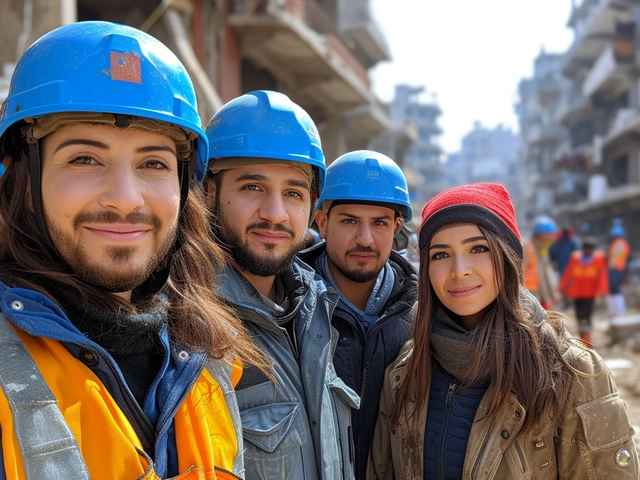
When we talk about peacekeeping, organized efforts by international groups to restore and maintain peace in conflict-affected areas. Also known as peace operations, it isn’t just about soldiers in blue helmets. It’s about the local drivers who navigate minefields to deliver food, the interpreters who translate truces under gunfire, and the medics who treat wounded civilians with no backup. These aren’t side roles—they’re the backbone of every mission.
UN peacekeepers, military, police, and civilian personnel deployed by the United Nations to enforce peace agreements and protect civilians rely on people who aren’t even on the official roster. In South Sudan, a local medic might treat 50 people a day with supplies that arrived weeks late. In the Democratic Republic of Congo, an interpreter risks their life just to make sure a ceasefire is understood correctly. These aren’t volunteers—they’re professionals working with no benefits, little pay, and zero public recognition. And yet, without them, peacekeeping missions collapse before they even start.
It’s easy to think of peacekeeping as a top-down effort: the UN announces a mission, troops arrive, and peace follows. But the truth is messier, grittier, and far more human. conflict zones, areas where armed violence, political instability, or civil unrest make daily life dangerous don’t care about press releases. They care about whether the water truck shows up. Whether the clinic has bandages. Whether someone remembers the names of the people who died yesterday. That’s where the real work happens—in the quiet moments between headlines.
What you’ll find here aren’t glossy reports or political speeches. These are the raw, unfiltered accounts of people who show up every day when no one else will. You’ll read about how a single interpreter in Mali prevented a massacre by translating a threat no one else heard. You’ll learn why local drivers in Somalia are more valuable than armored vehicles. And you’ll see how peacekeeping isn’t a mission—it’s a daily choice made by ordinary people in impossible situations.
This archive from November 2025 doesn’t just document events. It honors the unseen. If you’ve ever wondered who keeps peace alive when the cameras leave, this is where you’ll find the answer.
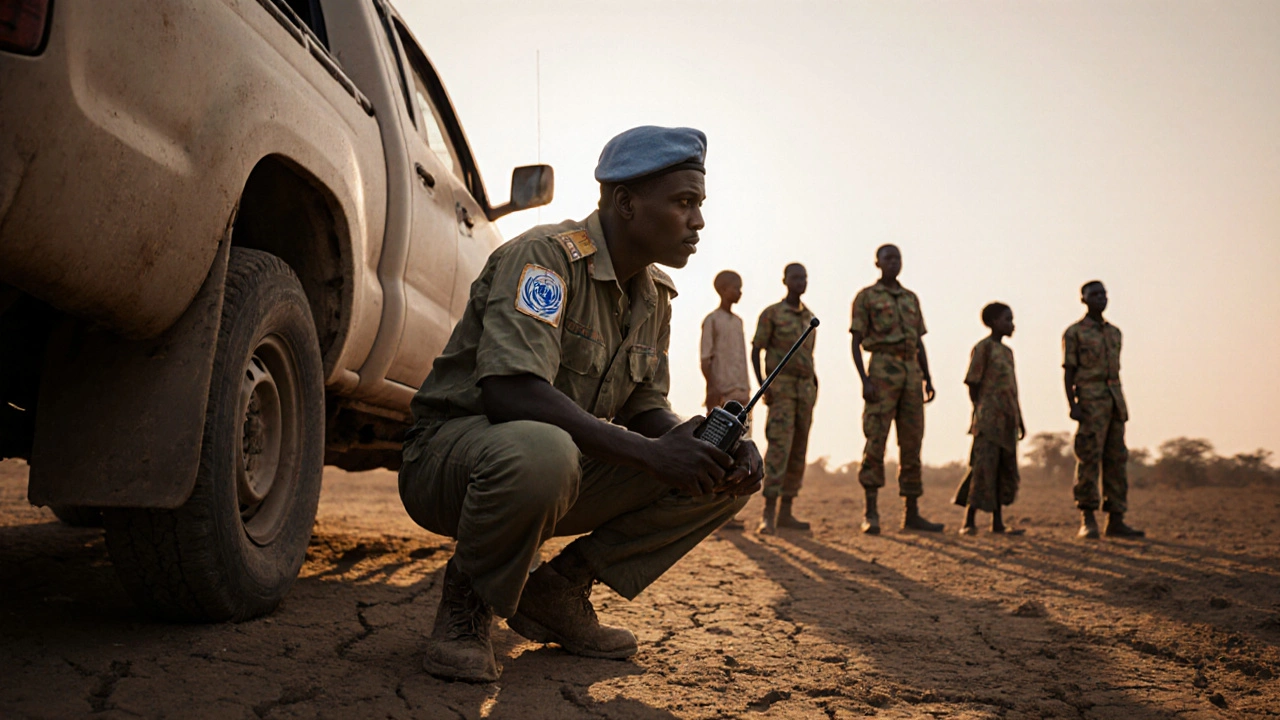
Behind every peacekeeping mission are thousands of local staff-drivers, interpreters, medics-who risk their lives daily with little pay or recognition. This is their story.