Sep 19, 2023
Peacekeeping: A Beacon of Hope in Times of Conflict
When we talk about conflict zones, areas where armed violence, political instability, or ethnic tensions have erupted into open warfare. Also known as war zones, these are places where governments collapse, communities fracture, and everyday life becomes a survival game. These aren’t just maps with red dots—they’re cities with no power, villages with no schools, and families who’ve lost everything in a single day. Conflict zones don’t appear overnight. They grow from ignored warnings, broken promises, and years of inequality. And when they explode, the world watches—but only peacekeeping forces step in.
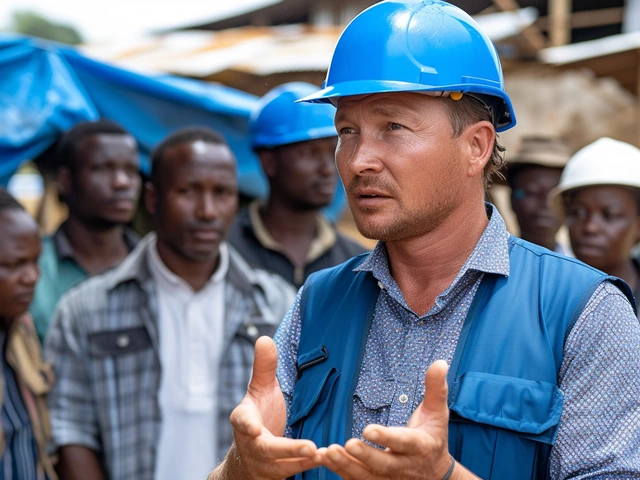
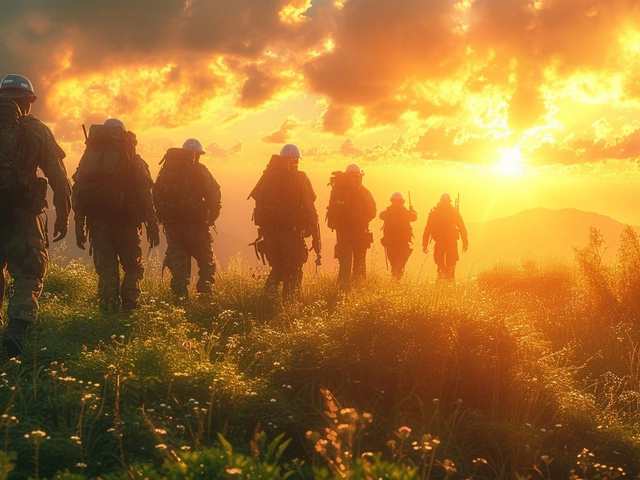
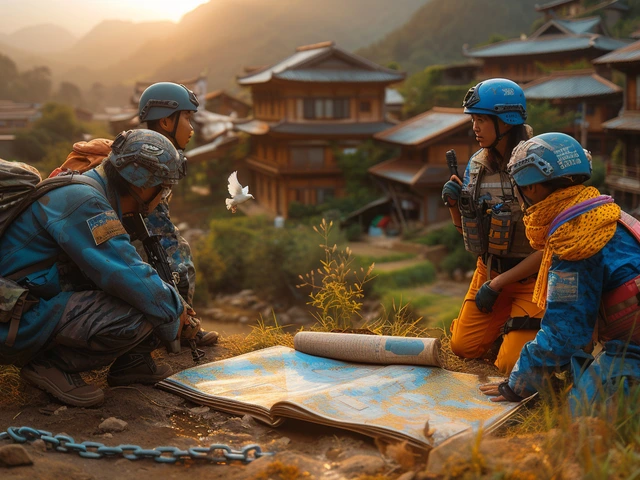
That’s where peacekeeping, organized efforts by international groups, mainly the United Nations, to stop violence and help societies rebuild after war. Also known as peace operations, these missions are not armies of conquest—they’re teams of soldiers, police, doctors, and engineers sent to hold the line until local leaders can take over. Their job isn’t to win wars. It’s to create space for peace to grow. They guard refugee camps, protect aid trucks, train local police, and sometimes just sit in a dusty village square and listen. Behind every blue helmet is someone who chose to walk into danger so others could walk out of it.
United Nations, the global body that coordinates most peacekeeping missions, with over 80,000 personnel deployed across 12 active operations doesn’t send these teams lightly. Each mission needs approval from the Security Council, funding from member states, and local consent to even enter. And yet, they still face ambushes, political sabotage, and media that paints them as powerless. But here’s what you won’t hear on the news: in South Sudan, peacekeepers helped restart 200 schools. In the Democratic Republic of Congo, they cleared landmines from farmland so families could plant again. In Mali, they trained women to lead local peace councils. These aren’t big headlines. But they’re the real wins.
And it’s not just about stopping bullets. conflict resolution, the process of addressing root causes like poverty, discrimination, or resource fights to prevent violence from returning is the quiet work that happens after the shooting stops. It’s talking to former rebels. It’s rebuilding courts. It’s getting kids back in classrooms. Without this, peacekeeping is just a bandage on a broken bone.
Below, you’ll find real stories from the frontlines—stories of courage, confusion, and quiet hope. You’ll see how peacekeepers navigate chaos, how communities fight back, and how even the smallest act can change a life. These aren’t abstract policies. They’re people. And they’re working where the world looks away.
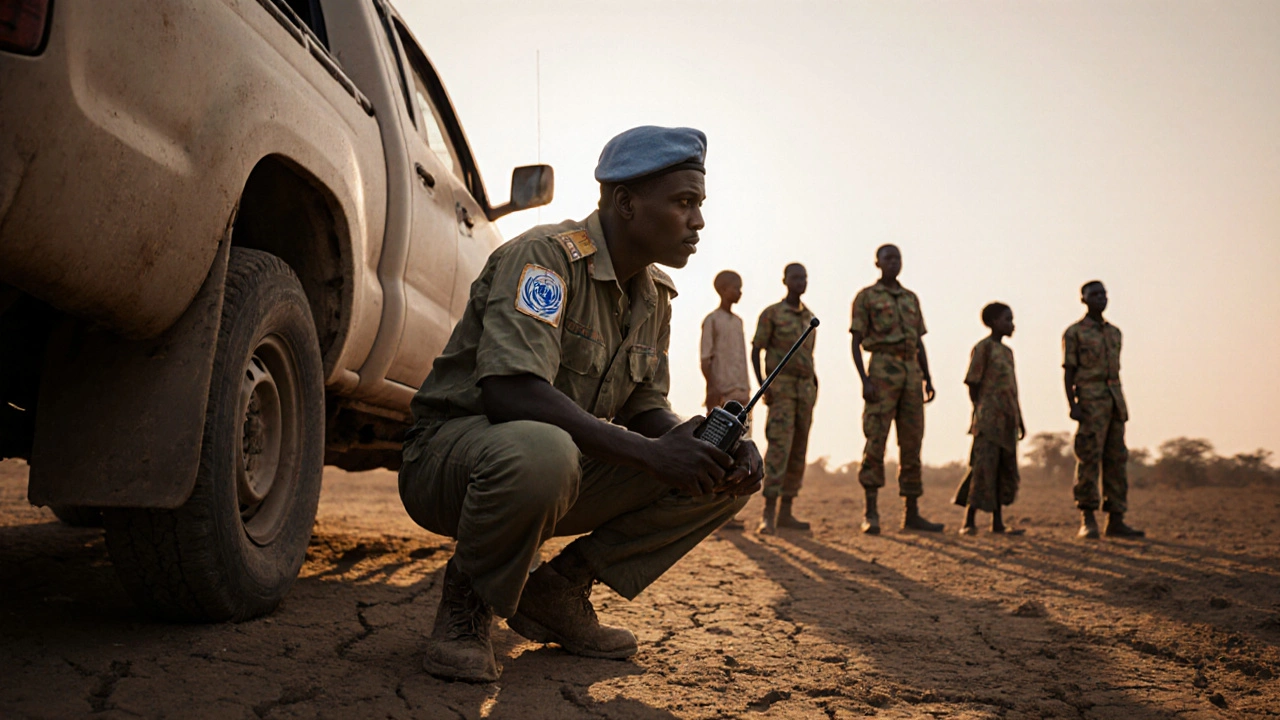
Behind every peacekeeping mission are thousands of local staff-drivers, interpreters, medics-who risk their lives daily with little pay or recognition. This is their story.