Aug 8, 2023
Peacekeeping: A Mechanism for Global Cooperation
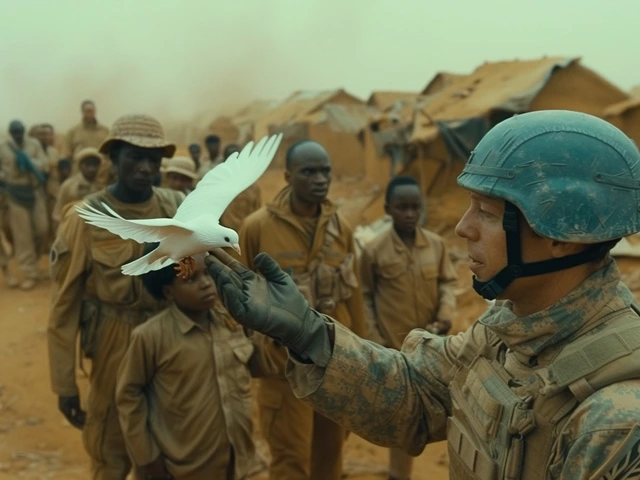
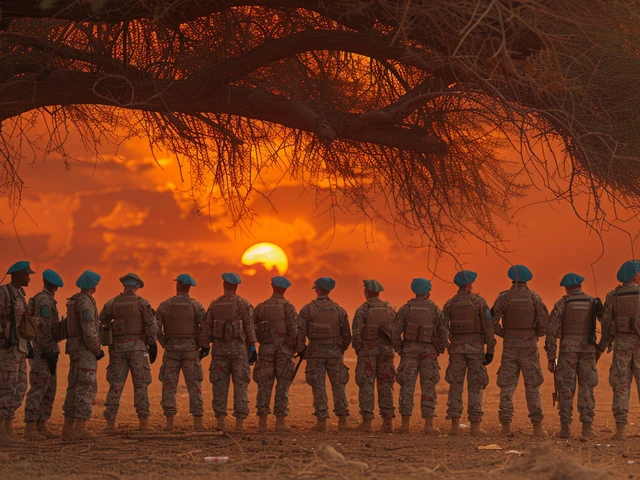
When we talk about UN peacekeepers, uniformed personnel deployed by the United Nations to maintain peace and security in conflict zones. Also known as blue helmets, they’re not soldiers in the traditional sense—they’re diplomats, medics, engineers, and protectors rolled into one, often walking into places where no one else dares to go. These aren’t just troops on paper. They’re real people—farmers from Bangladesh, nurses from Ghana, engineers from Canada—who leave their families for months or years to stand between war and peace.
UN peacekeepers operate under mandates that change with every mission. Some are sent to monitor ceasefires. Others are ordered to protect civilians from militias, help rebuild schools and hospitals, or train local police so they can take over security. This isn’t a one-size-fits-all job. In South Sudan, they’re guarding displaced families from violence. In Mali, they’re navigating desert ambushes. In the Democratic Republic of Congo, they’re helping women access justice after sexual violence. Their work ties directly to United Nations, the global organization that authorizes, funds, and coordinates international peacekeeping operations, but their success depends on local trust, not just UN orders. Without cooperation from communities on the ground, even the best-planned mission can fail.
And it’s not easy. These missions face ambushes, political sabotage, and supply shortages. Some peacekeepers have been killed. Others return home with invisible wounds. But they keep showing up. Why? Because peacekeeping isn’t about winning battles—it’s about preventing them. It’s about giving children a chance to go to school, farmers a chance to harvest their crops, and women a chance to speak without fear. The peacekeeping missions, organized, multinational operations aimed at stabilizing conflict areas under UN authority you read about in headlines are built on thousands of quiet, daily acts of courage.
What you’ll find below isn’t just news. It’s a collection of real stories from the frontlines—stories of strategy, sacrifice, and survival. You’ll read about how these missions have changed over time, what’s working now, where things still go wrong, and who’s really making the difference. No fluff. No jargon. Just the truth about what happens when the world says, "We have to do something."
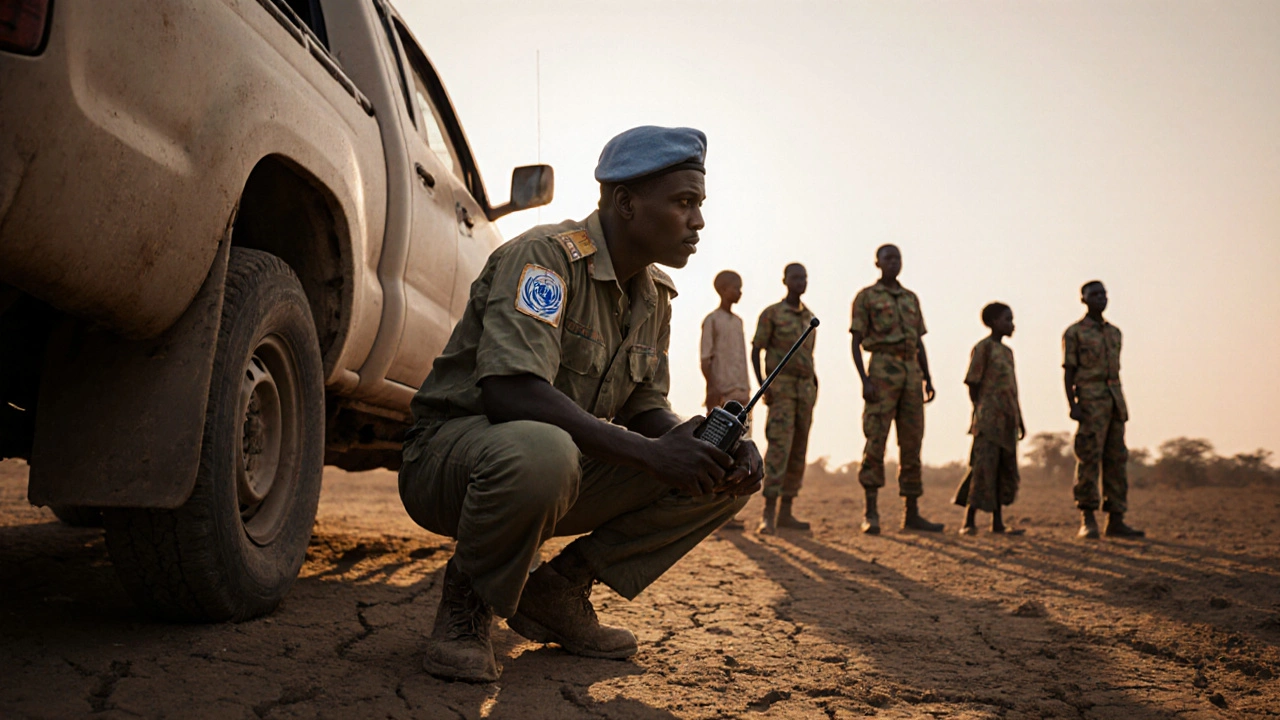
Behind every peacekeeping mission are thousands of local staff-drivers, interpreters, medics-who risk their lives daily with little pay or recognition. This is their story.